
Supply chain resilience comes at a higher cost in times of war.
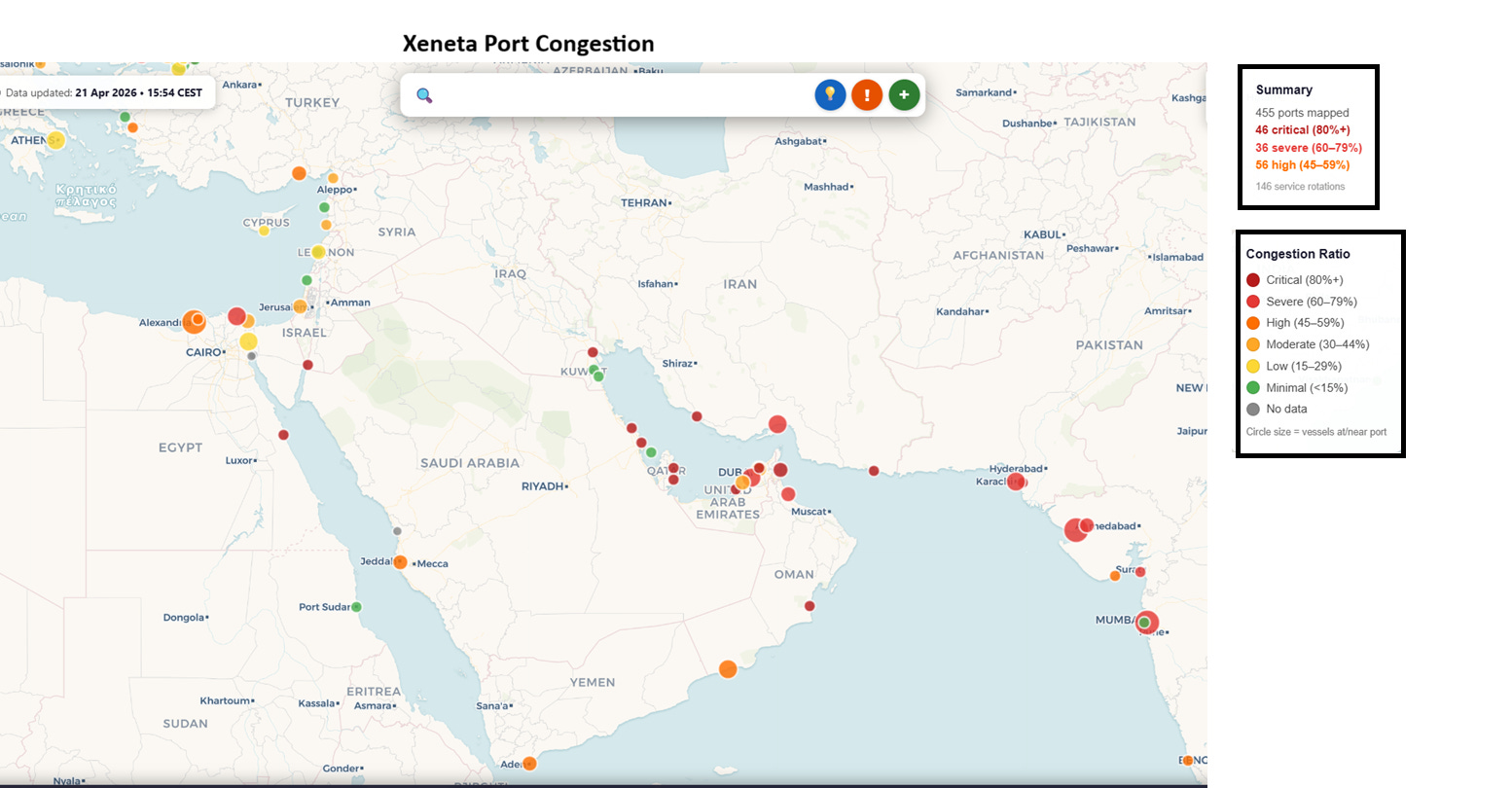
Safety diversions by ocean carriers to avoid the Middle East have disrupted the logistics supply chain. Millions of containers that were dumped at the wrong ports in the early days of the war are still stuck. These boxes are racking up detention fees and, in some cases, spoilage if the contents are perishable.
Ayman Hanno, Director of Freight Forwarding at ITF Group, tells me the rerouting of vessels has reshaped global freight flows in real time.
“There are options to move this freight, but it is adding weeks and costs to delivery,” said Hanno.
An example he gave was containers sitting in Turkey bound for the United Arab Emirates racking up detention charges.
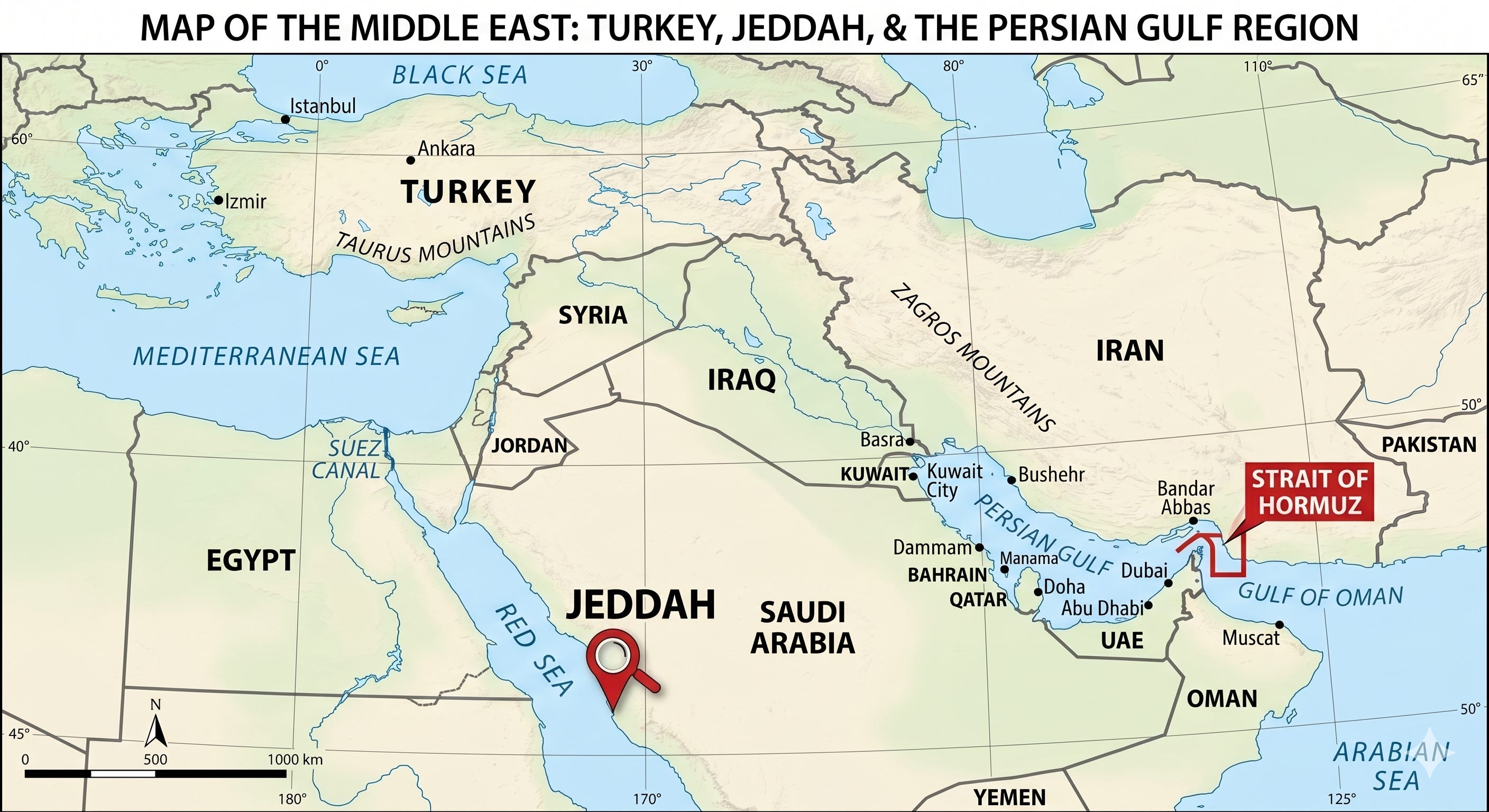
Hanno said he offered two options to his client. This shows you how logistics companies pivot in real time.
“We offered a land bridge crossing Syria, Jordan, and then Saudi Arabia,” said Hanno. “Then from there, it could be tracked to the United Arab Emirates.”
The other option would be to go by ocean, to Jeddah, and then take the land bridge across Saudi Arabia to the United Arab Emirates.
“Most of the shippers are shifting to overland routing,” said Hanno.
Traditional ocean transit would take 20 to 25 days, according to Hanno. Adding the over-the-road detour plus some barging to move the freight would add another 10 days.
“This is more about flexibility instead of optimization,” said Hanno. “Shippers should focus on flexibility instead of optimization. That means diversifying routes and gateways. There is no single route option. We need to think of different routes as we are doing now, like ocean and land bridge, and using multi-modal solutions.”
Port congestion remains a very real problem for the region. Xeneta’s Port Congestion Map shows the current state of trade.