


Airfares jump 22.4% as jet fuel costs soar: September CPI shows the Iran War’s energy shock moving through the supply chain, with overall inflation at 3.7%.
Diesel is the stealth tax on consumers: Low petrochemical inventories and high distillate prices are raising costs for paint, apparel, footwear and home heating oil.
Holiday sales numbers will mislead: Higher prices can produce record retail sales on fewer units, and brands are already pricing Spring 2027 lines higher.
September Consumer Price Index proves the point I have been making for months. The stealth inflation caused by the Iran War would hit harder in the Fall.
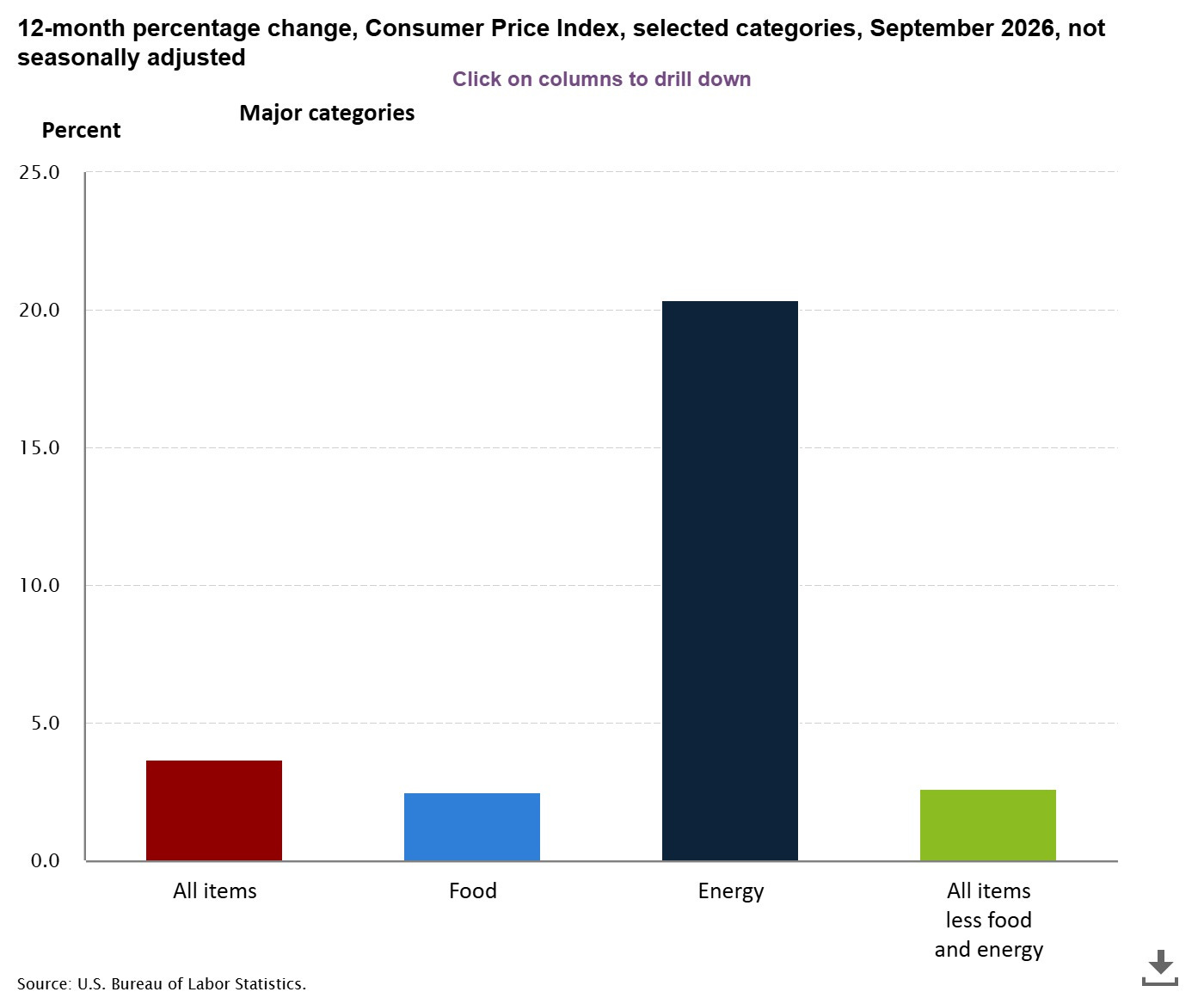
As I have written before, and energy experts Andy Lipow, president of Lipow Oil Associates, and Kevin Book, managing director of ClearView Energy Partners, have explained, diesel is a stealth tax that hits the consumer’s pocketbook. Energy is the essential building block in the global supply chain.
Oil needs to be refined to be used. The latest International Energy Agency (IEA) Oil Market Report for October estimated Middle East refined product exports at 1.9 mb/d in September, down from 4.7 mb/d before the war. That is less than half of normal.
On a positive note, crude exports have recovered faster. Gulf crude exports, led by Saudi Arabia, jumped by 4.4 mb/d to 13.9 mb/d in September, more than 75% of pre-war levels. Ship-to-ship transfers and energy escorts by the U.S. have helped with this increase.
Because of the bottleneck at the Strait of Hormuz, petrochemical inventories remain low. This is inflating the prices of household products we use (think paint) or wear (apparel, accessories, and footwear).
A product or refined commodity can be sourced and manufactured in different locations. That means each node within their value chain is exposed to risk. Bottlenecks at one node can have a cascading impact.
This is an inflationary cocktail. The ingredients: the trickle-down impact of the war with Iran, with lower exports of oil, LNG, petrochemicals, and refined products, layered with rising ocean and air freight costs and, of course, tariffs.
In a recent note to clients, ClearView Energy Partners wrote that the dramatic increase in jet fuel prices could be a factor in increased flight cancellations and negatively impact jet fuel consumption.
U.S. airfares are up 22.4% from a year ago, per this morning’s CPI report. The September CPI release lists airline fares (+22.4 percent) among the indexes that rose notably over the last year, while overall inflation was 3.7%.
“Current events—especially conflict in the Middle East, diesel dynamics and stock releases—continue to outweigh the outcome of OPEC+ meetings,” the ClearView Energy report noted.
The 42nd OPEC and non-OPEC Ministerial Meeting is scheduled for November 29.
Stretched Purse Strings
Nationwide surveys and reports from food-assistance groups like Feeding America show food banks and pantries across the nation are seeing steady or dramatically higher traffic than in previous years.
Soaring gas prices, coupled with rising grocery costs, are thinning Americans’ wallets. Money for food is going into their gas tanks.
Remember, diesel powers the trucks that deliver groceries to stores.
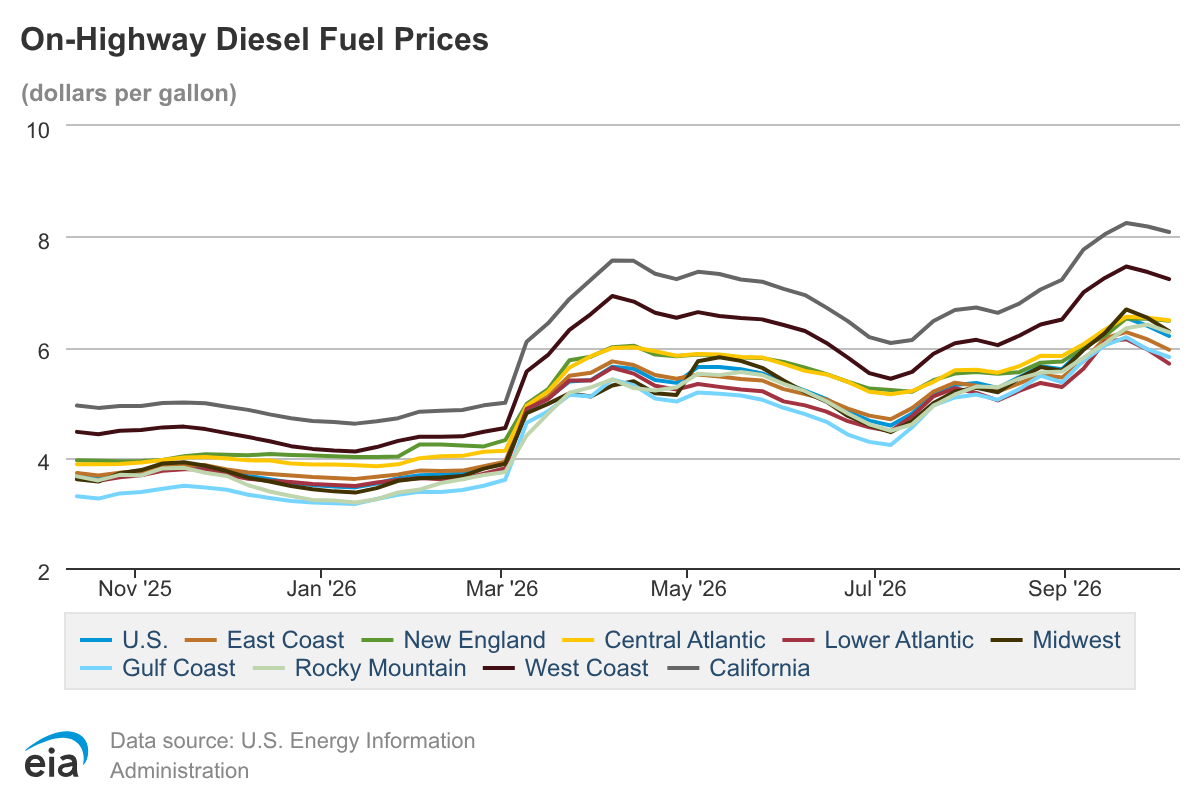
Here are the truck and rail surcharges to show what logistics providers are charging.
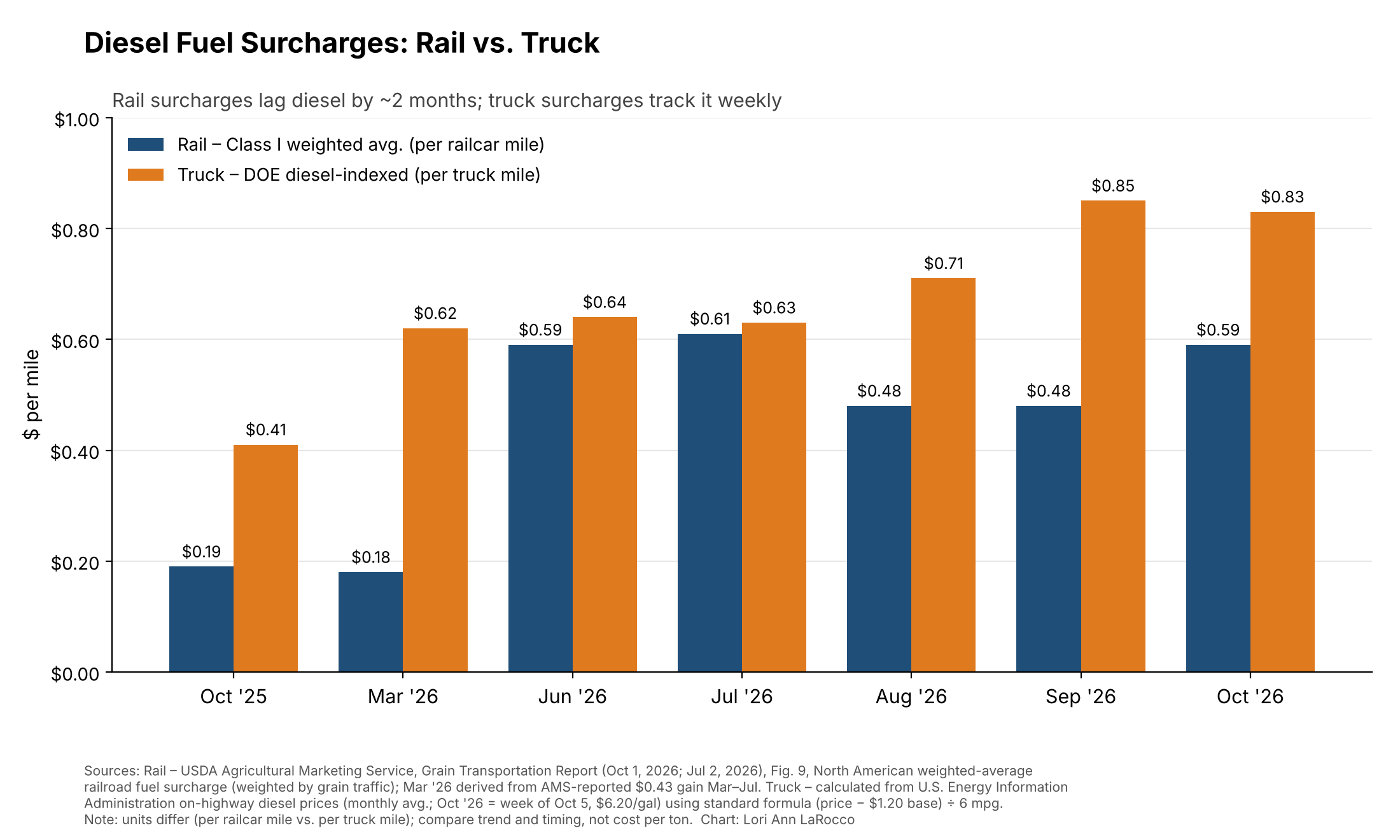
Because fruits and vegetables have a shorter shelf life, transportation costs hit much faster than non-consumable items, which can sit in warehouses for months.
The September Logistics Management Index showed higher warehouse costs because freight is sitting longer in warehouses. Remember, every node in the logistics chain eventually affects a product’s final price for consumers.
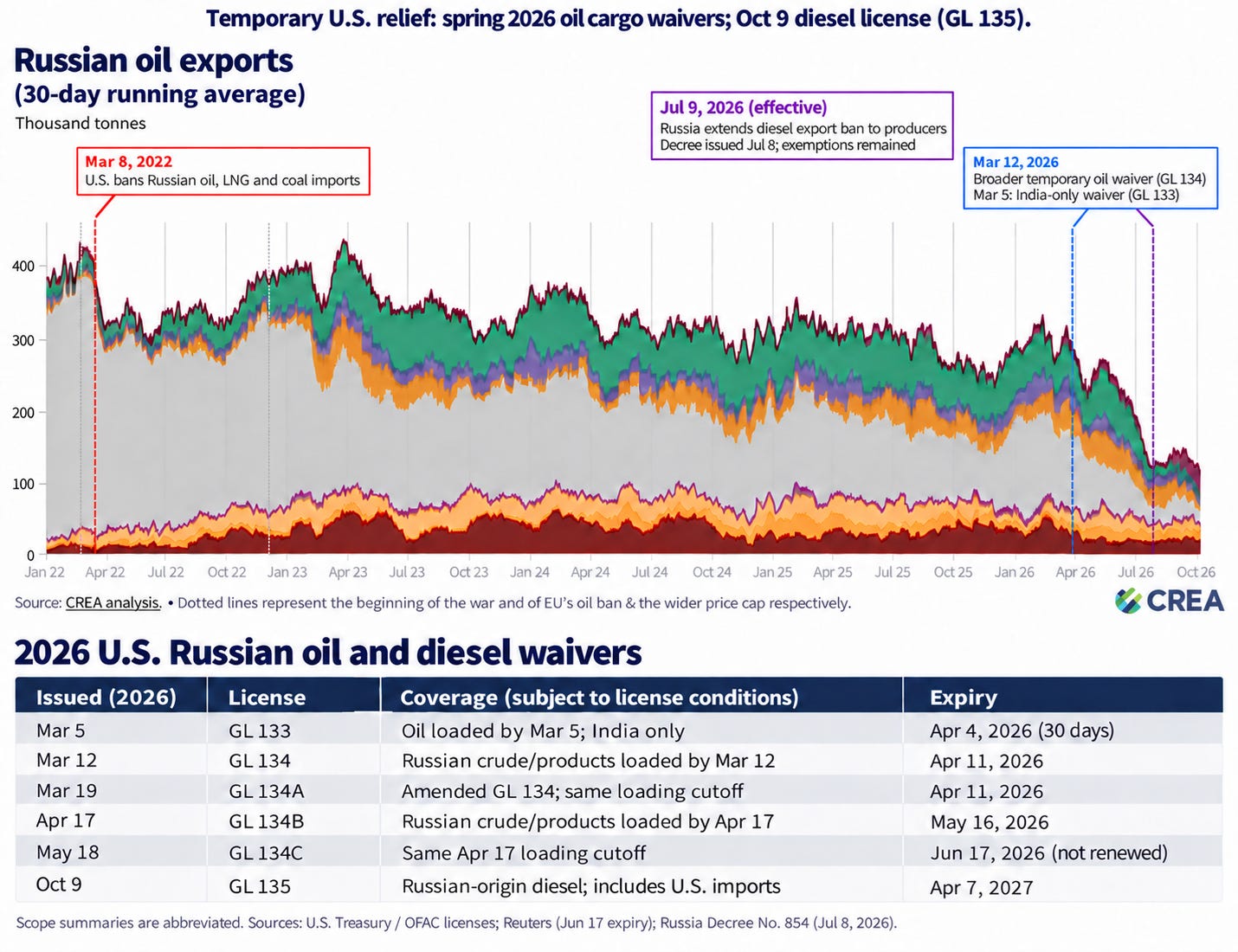
The Russian “deal” with the United States is less impactful than promised. The 4.8 million tonnes Putin agreed to release works out to about 36 million barrels and covers about half of the cumulative shortfall.
“This is verbal intervention,” said Lipow. “The announcement makes it appear that Trump is taking action to reduce diesel prices, while Putin wants to be thought of as the good guy making diesel available to the world. Trump and Putin both blame Ukraine for the diesel shortage as they conveniently forget that Russia invaded Ukraine, and the USA bombed Iran.”
Russia has had a Diesel export ban because of the refinery damage due to its war with Ukraine. You can see the 30-day running average of Russian oil Exports.
Energy pain will also increase for those living in colder climates.
Americans are turning on their furnaces to heat their homes with fuel oil or other distillate fuels. These consumers will get socked twice. Once with higher delivery costs because of diesel prices, and twice with the increase in heating fuel prices.
Consumer Outlook
Given the breadth of products that arrived for this holiday, you can expect more promotional items. The National Retail Federation will announce its holiday sales outlook tomorrow, but don’t be fooled by the headline number, which will surely be impressive. The forecast will be on sales. Not units sold. We need to look at the units that will be sold. Remember, you can sell fewer products and still set a record because people are buying the items at higher prices.
Sticker shock will continue into 2027. It’s not a spitball prediction; it’s based on the higher supply-chain costs companies have been paying.
Brands I spoke with in April told me they would have to raise prices for their Spring 2027 lines because raw material costs for orders placed in July would be higher.
If you follow the supply chain, you understand how each node faces its own sets of risks and, as a result, influences the rest of the supply chain. Today’s CPI should come as no surprise, and it’s why you should brace for more inflation.