


“There’s a growing percentage of people in pain at the bottom, and something’s got to give,” said Norfolk Southern CEO Mark George. Higher earners are absorbing inflation by saving less.
“On a macro level, not everybody is participating,” said Union Pacific CEO Jim Vena, though overall consumer spending is holding up.
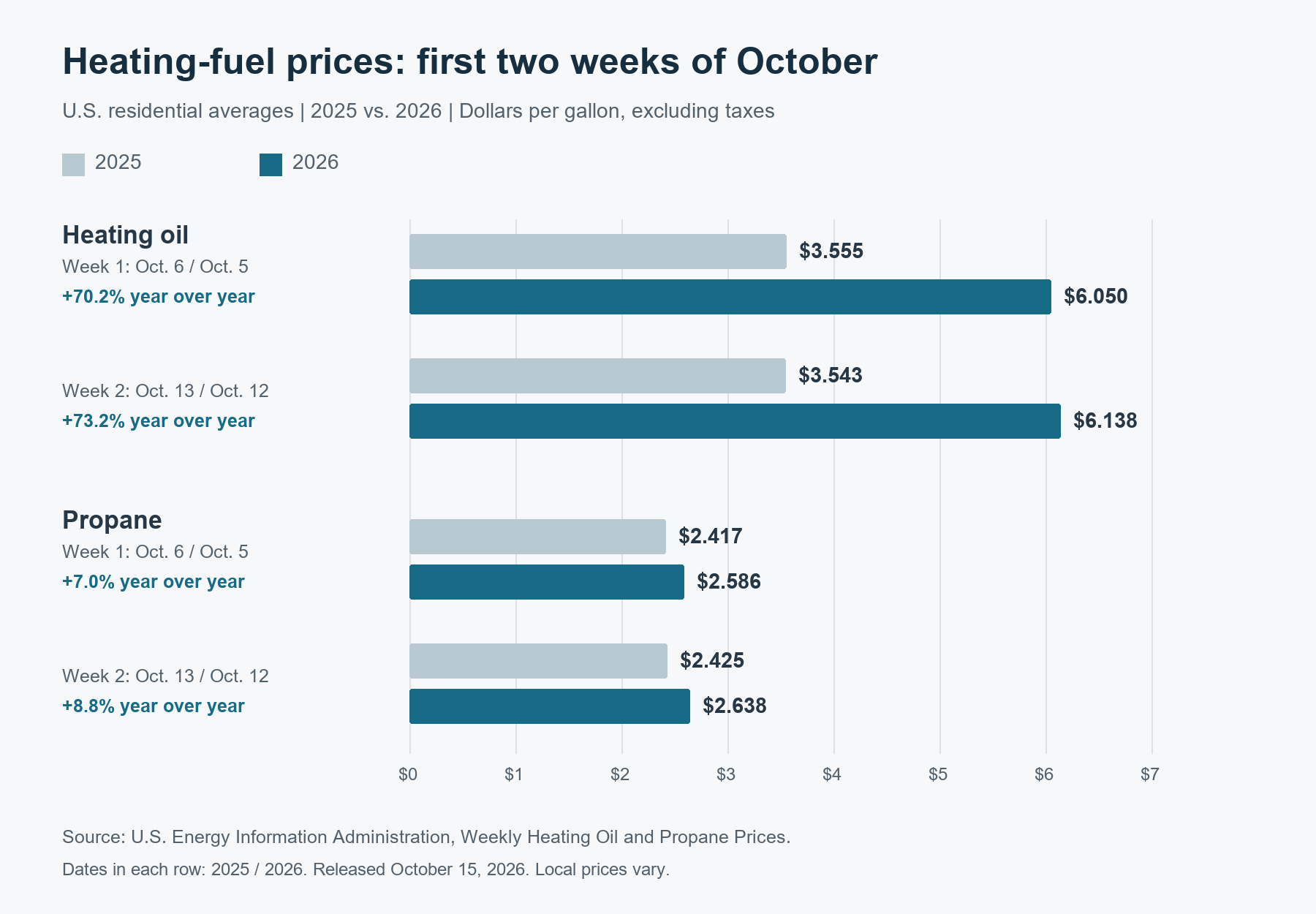
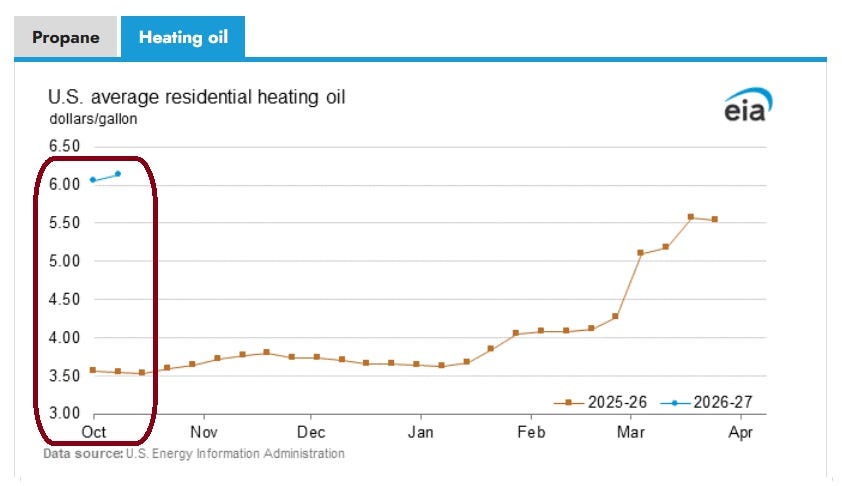
Heating oil is up 73.2% a gallon from a year ago. A 200-gallon delivery costs $519 more before taxes and surcharges.
Union Pacific and Norfolk Southern chief executives warn inflation is changing how Americans spend.
“We’re seeing manufacturing come back, and infrastructure spending helps with some of what we’re moving,” said Mark George, CEO of Norfolk Southern. “But I think a lot of the economic growth is still driven by services. People are still out there spending. They’re just saving less because of inflation.”
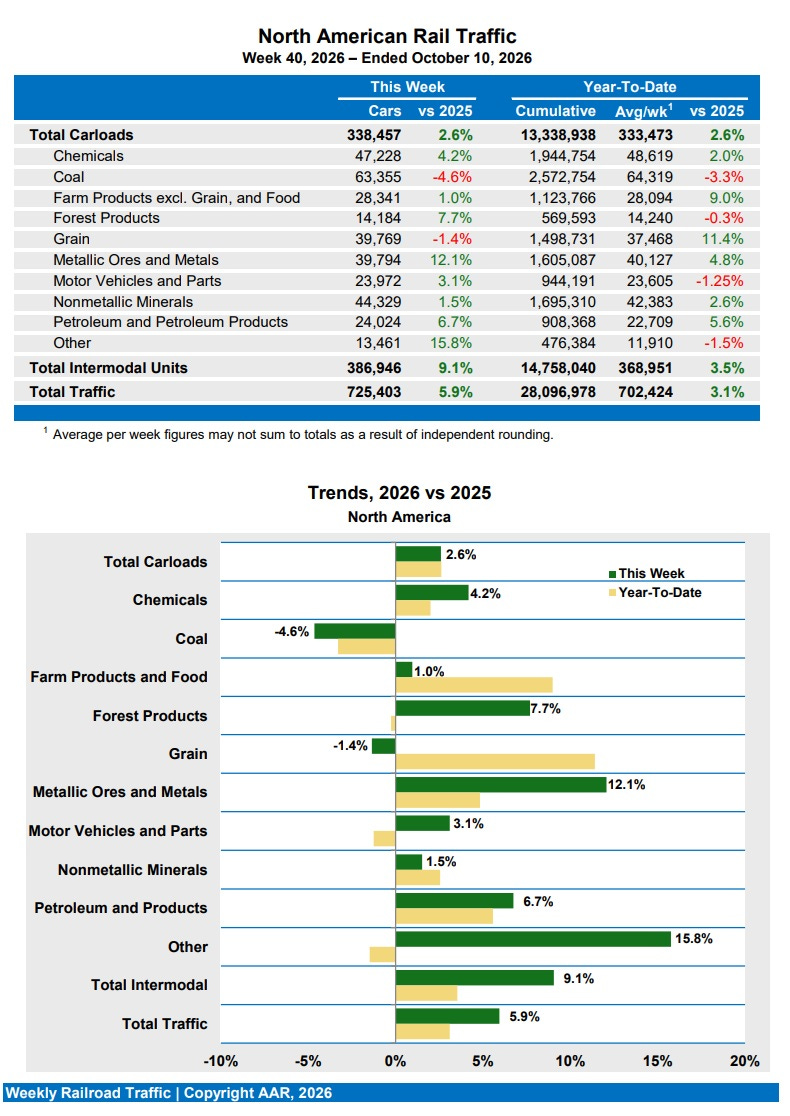
Railroads are a key indicator of the U.S. economy because, on a single line, they move everything from agriculture and large construction equipment to chemicals, commodities like petroleum, petroleum-based products, coal, food, apparel, and household goods.
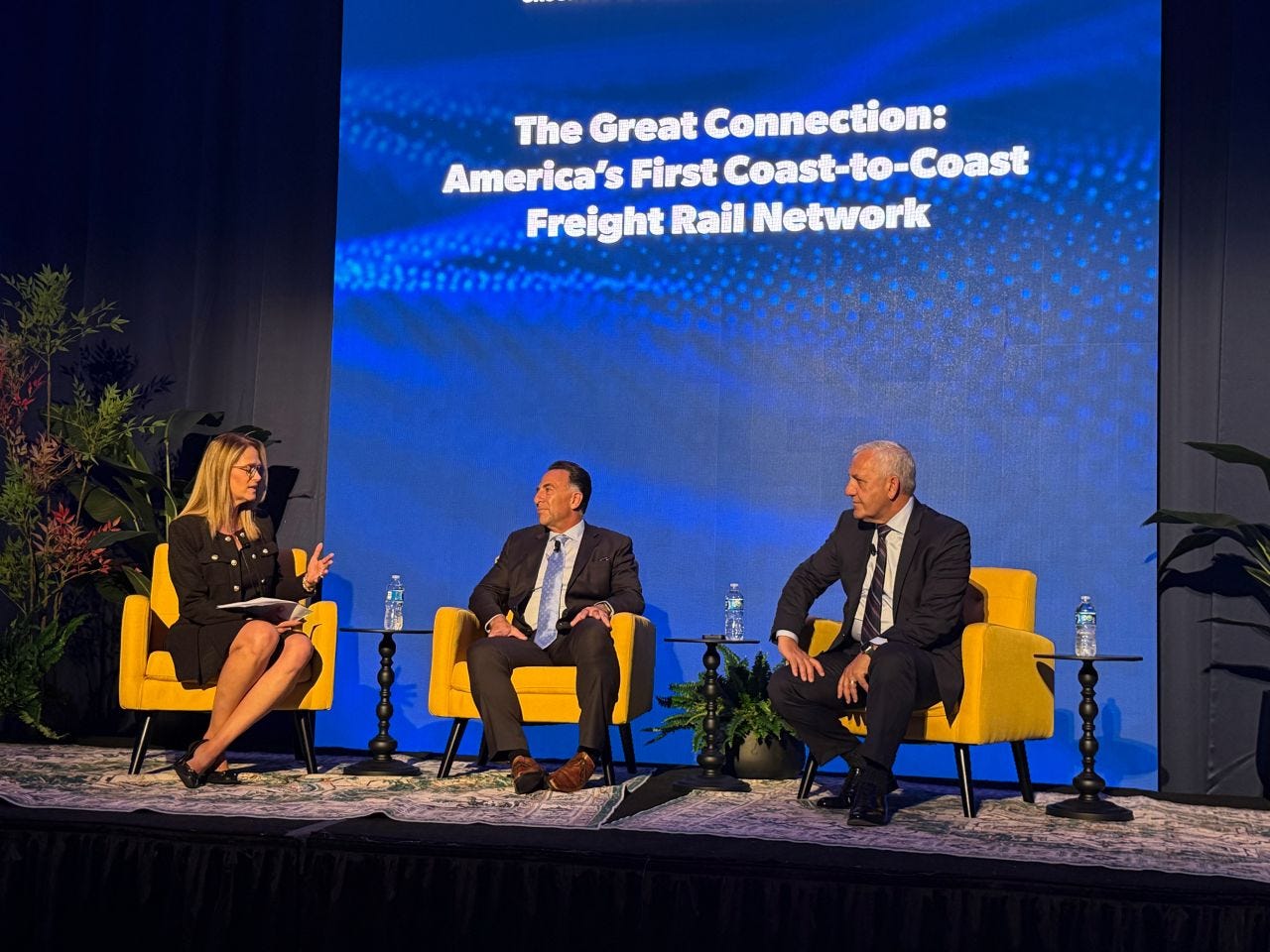
Both CEOs sat down with me for a far-ranging conversation at the Virginia Maritime Association conference. Mark George, CEO of Norfolk Southern, and Jim Vena, CEO of Union Pacific, both said they are seeing the U.S. economy bifurcate through the products they move by rail.
“People who are on the upper end are absorbing this inflation and salary squeeze by saving less,” warned George. “They haven’t adjusted their spending habits. I do think there’s a growing percentage of people in pain at the bottom, and something’s got to give. We got to be careful about this.”
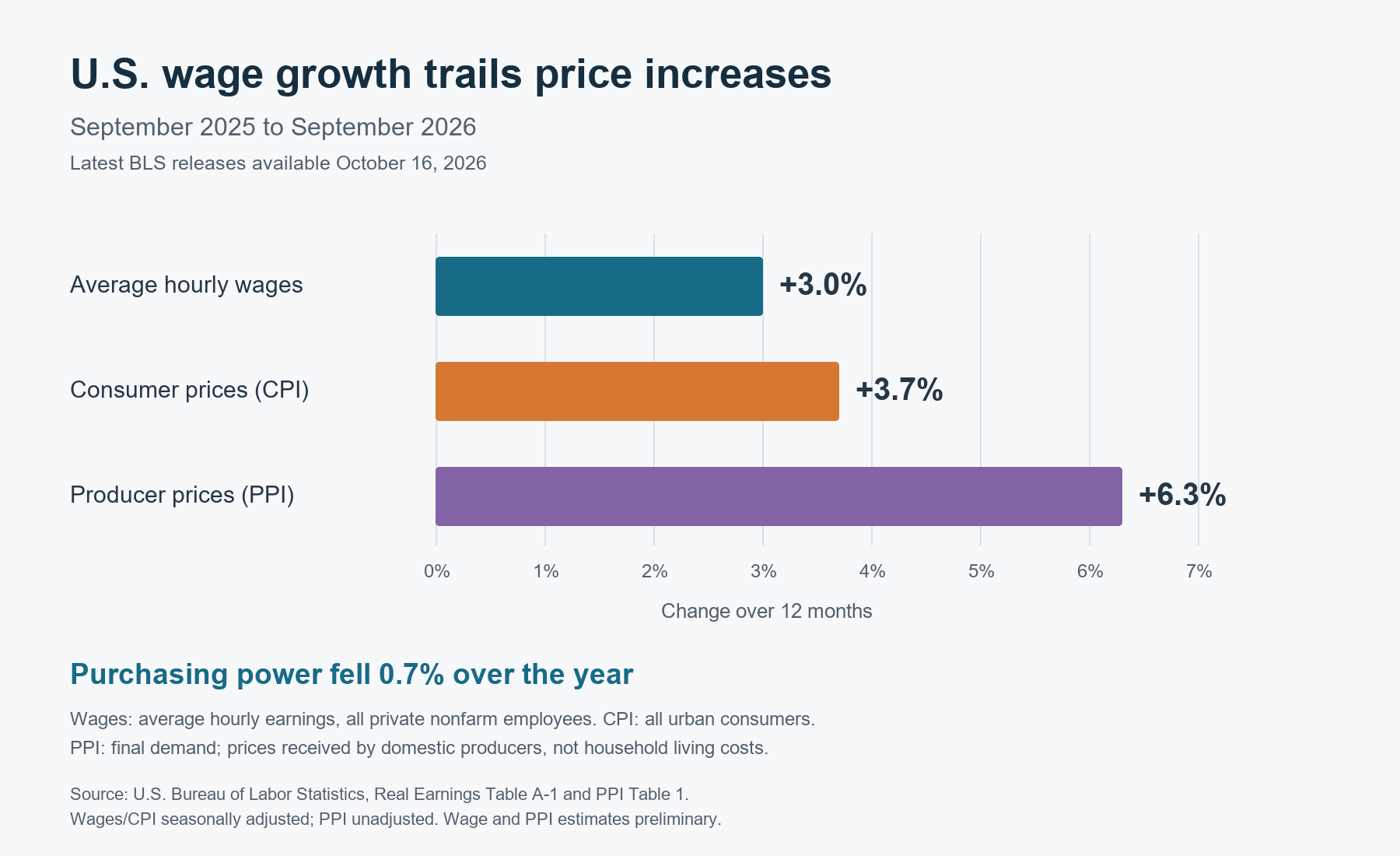
Bureau of Labor Statistics reported consumer prices rose 0.7 percentage points faster than hourly earnings.
“On a macro level, not everybody is participating,” said Jim Vena, CEO of Union Pacific. “There are pieces of the American population that are not being impacted, but overall consumer spending is still there.”
Vena said they see this in the volume of products they move.
“Levi, the brand, which we ship, has started to come back harder,” said Vena. “We are also seeing an increase in the industrial products that go into the manufacturing, such as steel. So on a macro level, the economy is positive. Not negative, and that's helping us.”
George agreed they are seeing a lot of that growth as well.
“A lot of that positivity in the economy is still happening on the services side, as opposed to the goods,” said George. “We're seeing manufacturing come back, and infrastructure spending helps with some of the things we're moving. But I think a lot of the economic growth is still driven by services.”
Heating Fuel Concerns
One inflationary pressure discussed at the VMA was rising heating fuel costs and the impact on consumer spending.
The U.S. Energy Information Administration (EIA) restarted the seasonal tracking of heating fuel in October.
The pocketbook pinch is real.
Comparing October 13, 2025, with October 12, 2026, heating oil is up 73.2% per gallon. This means a 200-gallon heating-oil delivery would cost $519 more before taxes than last year. This does not include the higher diesel surcharge for truck deliveries.
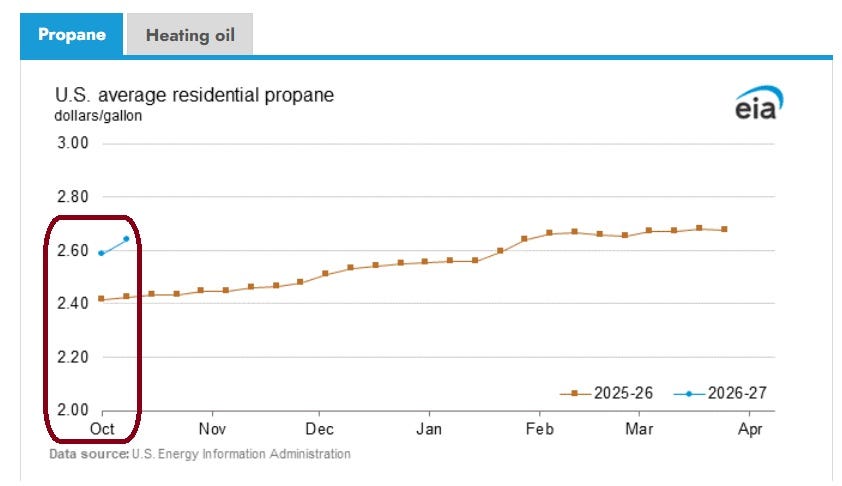
Propane users are seeing an 8.8% increase per gallon.
“If this inflationary read continues while wages continue to stagnate, at some point it breaks, and that’s the thing we all have to worry about,” said George. “We got to be careful about this.”
In a National Energy Assistance Directors Association (NEADA) report, the group projected that U.S. households would spend an average of $1,030 to heat their homes this winter—up $82, or 8.7%, from last year.
The EIA projects a warmer winter in the Northeast and a much colder one in the West due to El Niño. The agency expects the West to see the biggest electricity jump, 9%. Overall, for homes that heat with electricity, the EIA expects residential electricity prices to rise between 3-4%.
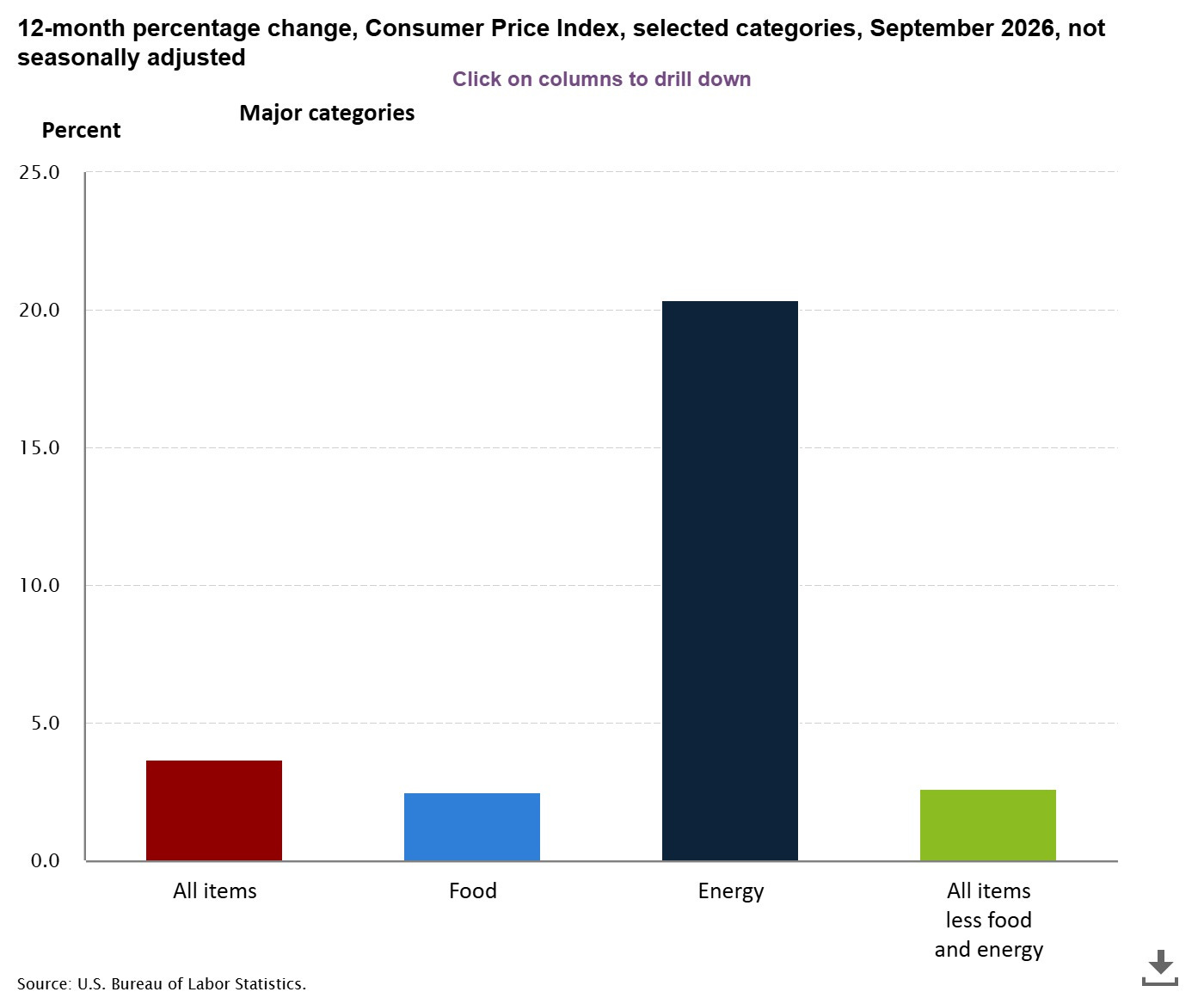
These higher prices follow a higher-than-expected Consumer Price Index. Energy prices were the culprit of the higher costs.
Understanding the Rail Volumes
Railroads continue to benefit from the high diesel prices due to the lack of refinery capacity created by the U.S./Israel war on Iran and the Russia/Ukraine war.
Rail is more cost-effective than truck transport because it is slower. Full truckloads coast-to-coast take an average of 5–6 days. Rail intermodal, coast-to-coast including truck pickup and delivery, takes 7–10 days, sometimes longer.
So, if you are not in a hurry to receive the product, you move by rail.
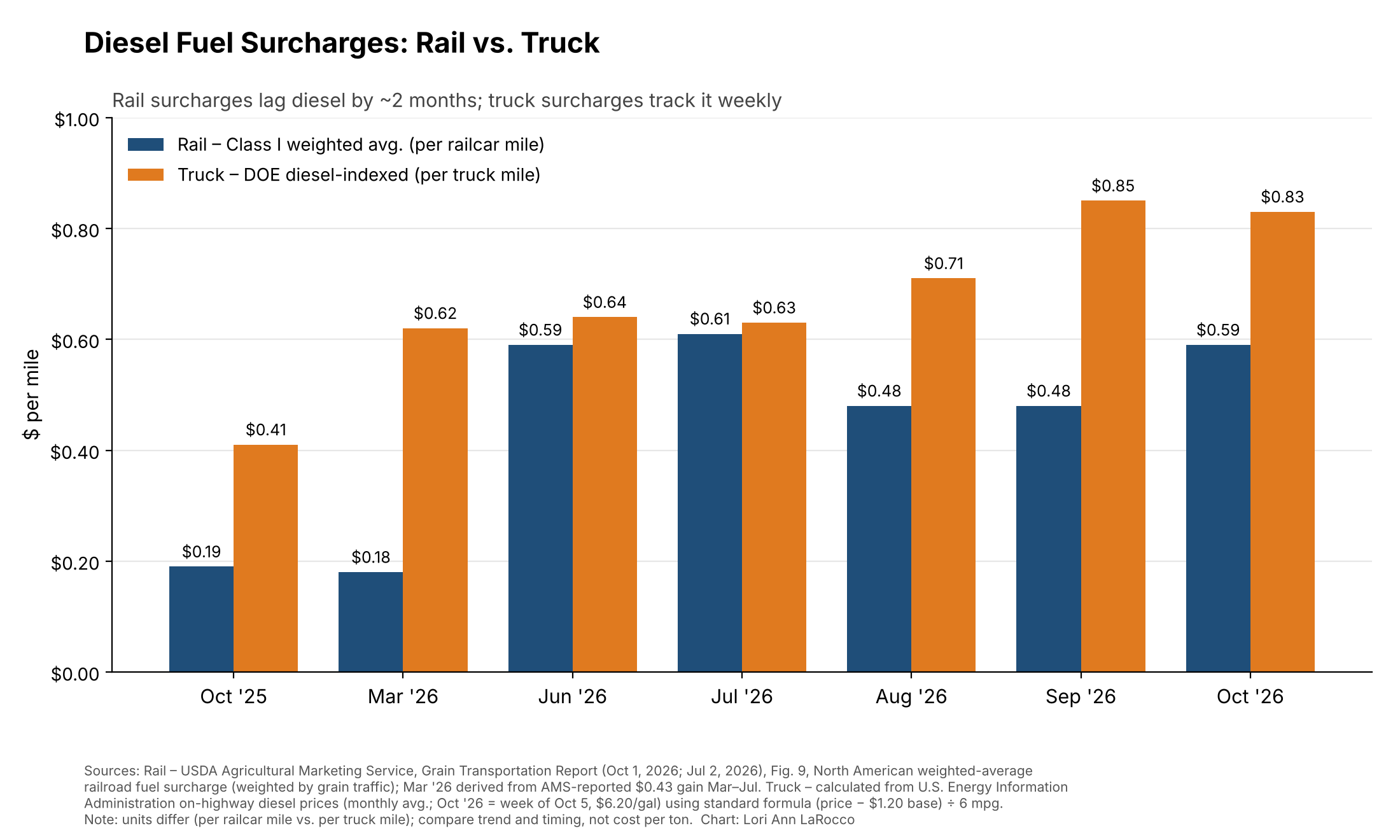
But because of the soaring price of diesel, companies are moving their once truck-moved freight to rail. Surcharges for both truck and rail are up, but rail is still cheaper than truck.
As a result of this transfer of freight, the third quarter was the highest-volume quarter in U.S. intermodal history according to the Association of American Railroads.
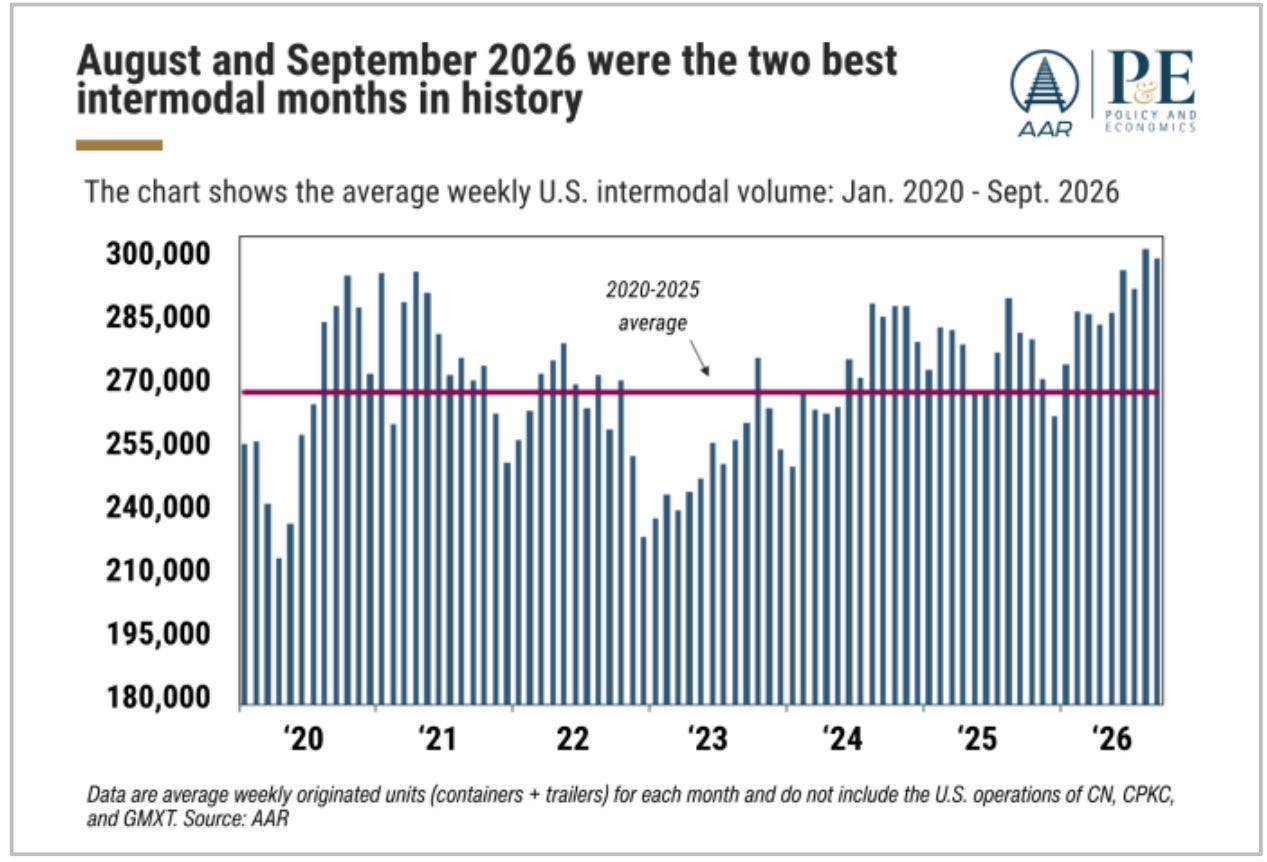
After the war started, both Union Pacific and Norfolk Southern saw increased transportation of energy and energy-related products. Rail has also moved large volumes of coal, sand for fracking, and energy products. Steel for industrial production has also increased.