

According to MarineTraffic minimal traffic is moving through the Strait of Hormuz
SONAR data tracks the constrained trade of the critical components to make over 70,000 products
Spring 2027 products being ordered in July will be more expensive due to the supply of raw materials and 301 tariffs
Supply chains around the world are supported by the transport of raw materials essential to create products. Chokepoints reduce the overall output because fewer raw materials are available.
The brief increase in Strait of Hormuz transit provided some hope, but here’s the dark reality to that “opening” the world markets were celebrating. The number of vessels that moved was far from normal to restore the cadance of manufacturing.
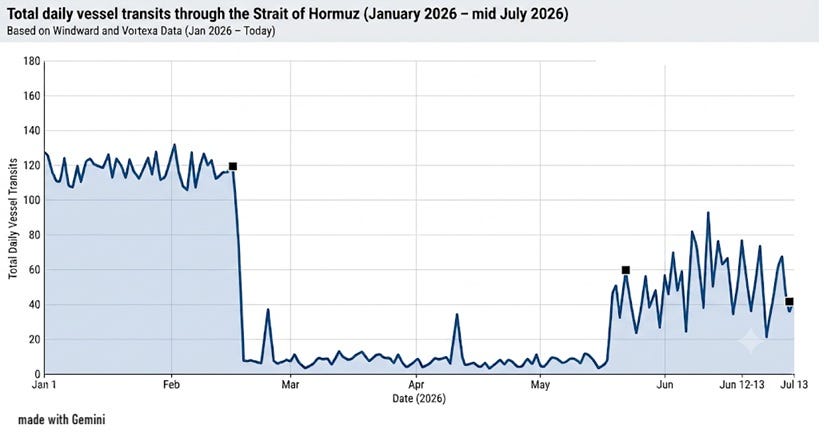
After Iran’s latest round of attacks on vessels trying to cross the Strait through the U.S. controlled Southern route near Oman, MarineTraffic is reporting little traffic activity.
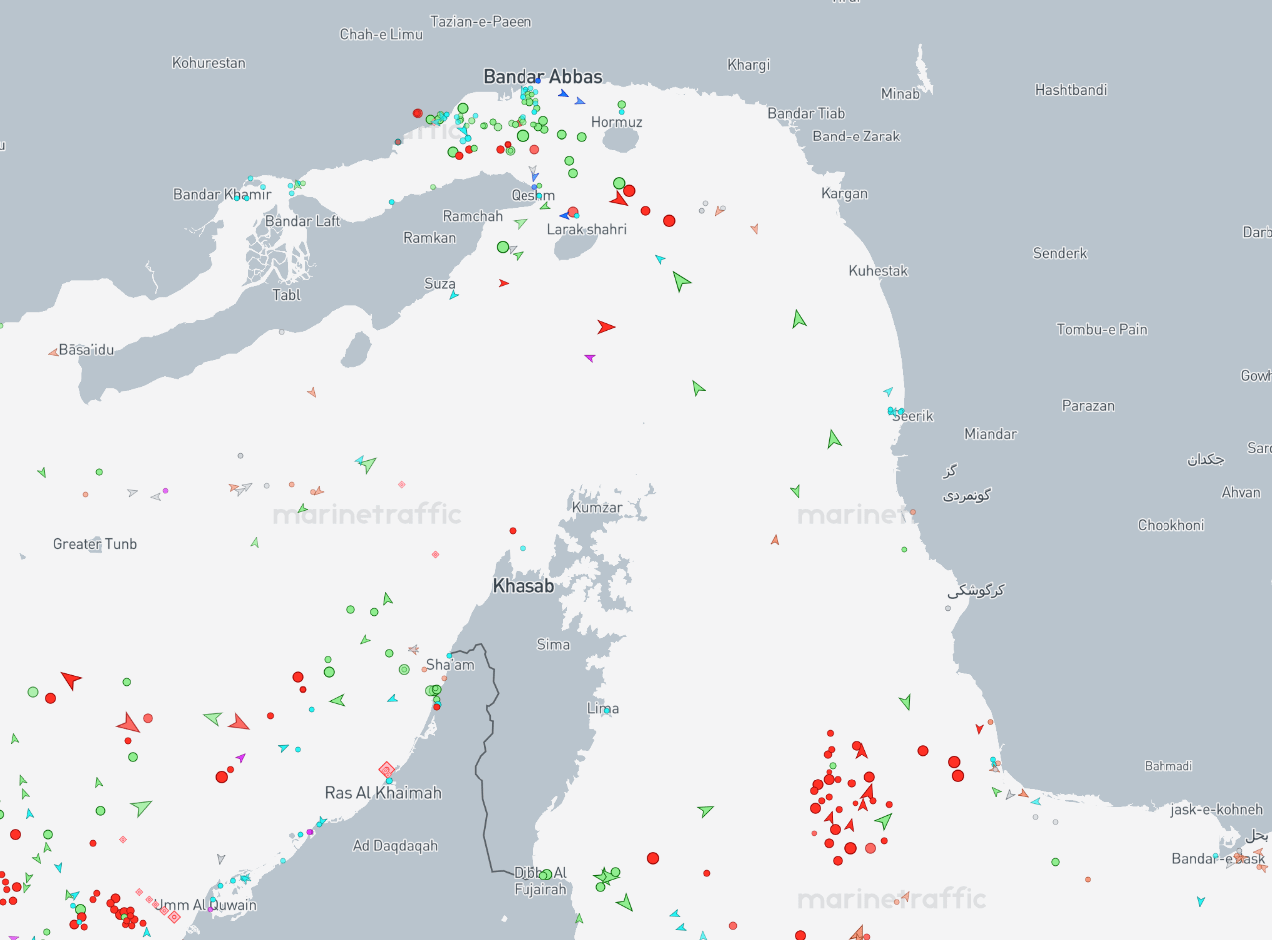
The Strait of Hormuz resembles more of a ghost town than a once-vibrant waterway corridor.
As I have written before, we are seeing a tale of two Straits. Iran controls the North Route, where they have created a waterway authority to illegally charge for transits, and the International Maritime Organization Route, the Southern route controlled by the U.S. Those transits are going dark for vessel safety. We rely on the U.S. to provide updates on the transits.
The increase in transits under the security of the U.S. Navy has Iran furious. This is why they are attacking more vessels heading to the Southern passage.
Yes, energy has been diverted through Middle Eastern pipelines and other ports away from the conflict, but the volumes are not offsetting the deficit in crude and petroleum products that would normally leave that region.
Further constricting volumes is the massive pullback in sanctioned Russian energy exports that would normally go to China and India because of the strategic attacks by Ukraine on Russia’s energy infrastructure, ports, and vessels.
This weekend alone had lengthy reports by Ambrey reporting damage to Russian infrastructure.
Just as the layering of tariffs affects the supply chain, so do the compounding effects of numerous geopolitical conflicts.
You’ve read my prior reports that 70,000 products rely on petro-based chemicals to be completed. I pulled some charts showing you the amount of petro-chemicals exported by Saudi Arabia- the top country exporting to the world.
