

USTR extends suspension of port fees targeting Chinese-linked vessels until January 9, 2027.
The suspension was added to coincide with current U.S./China trade talks
Who’s affected: Ships owned, operated, or built in China, and foreign-built vehicle carriers calling at U.S. ports.
The United States Trade Representative announced Friday that it has extended the suspension of port fees targeting China-linked vessels till January 9, 2027.
The fees would be imposed under the Section 301 investigation into China’s dominance of shipbuilding, maritime, and logistics.
The suspension was going to end on November 9. Following an agreement between the U.S. and China, the extension will take effect on November 10, 2026.
U.S. Treasury Secretary Scott Bessent said the suspension of the fees in the Section 301 Investigation of China’s Targeting of the Maritime, Logistics, and Shipbuilding Sectors for Dominance has been extended through January 9, 2027, to allow more time for broader trade negotiations.
The extension follows the September summit between U.S. President Donald Trump and Chinese President Xi Jinping. At the conclusion, they announced a “30-for-30” agreement. The deal includes a list of about $30 billion in “non-sensitive” goods on which the United States and China each pledged to cut tariffs.
On Oct. 1, Ambassador Jamieson Greer told reporters at the G20 trade ministers’ meeting in Milwaukee that no date had been set for implementing the 30-for-30 tariff cuts.
“We have to stick to our legal processes,” Ambassador Greer said.
The comment period to submit a letter on the 301 extension is open from October 23 to October 30, 2026.
Among those companies submitting a comment is Atlantic Container Line (ACL). The vessel carrier will submit a joint association comment with over 200 trade associations, urging a further delay beyond January 9, 2027, or a permanent suspension of the fees.
Under this updated Section 301 program, USTR reclassified all ACL vessels as vehicle carriers, or roll-on/roll-off (Ro-Ro) vessels.
Before the 301, the vessels were considered container vessels. ACL vessels carry 80% shipping containers, 10% Ro-Ro freight (such as cars and tractors), and 10% oversized cargo. This reclassification under the new 301 would mean the company would face an estimated $34 million annual tariff bill, according to ACL.
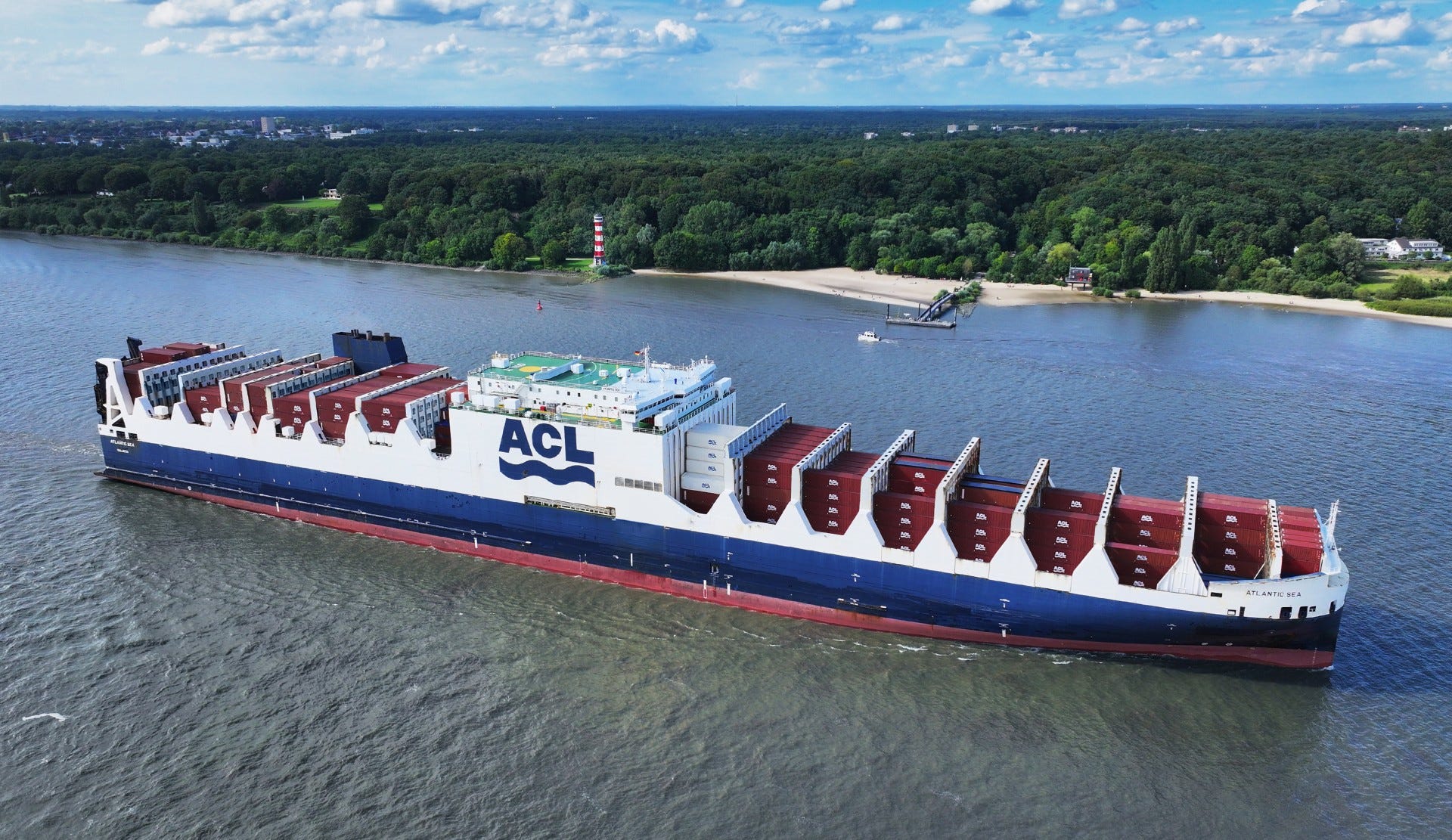
Photo courtesy: Atlantic Container Line
For comparison, here is a photo of a Ro-Ro- vessel.
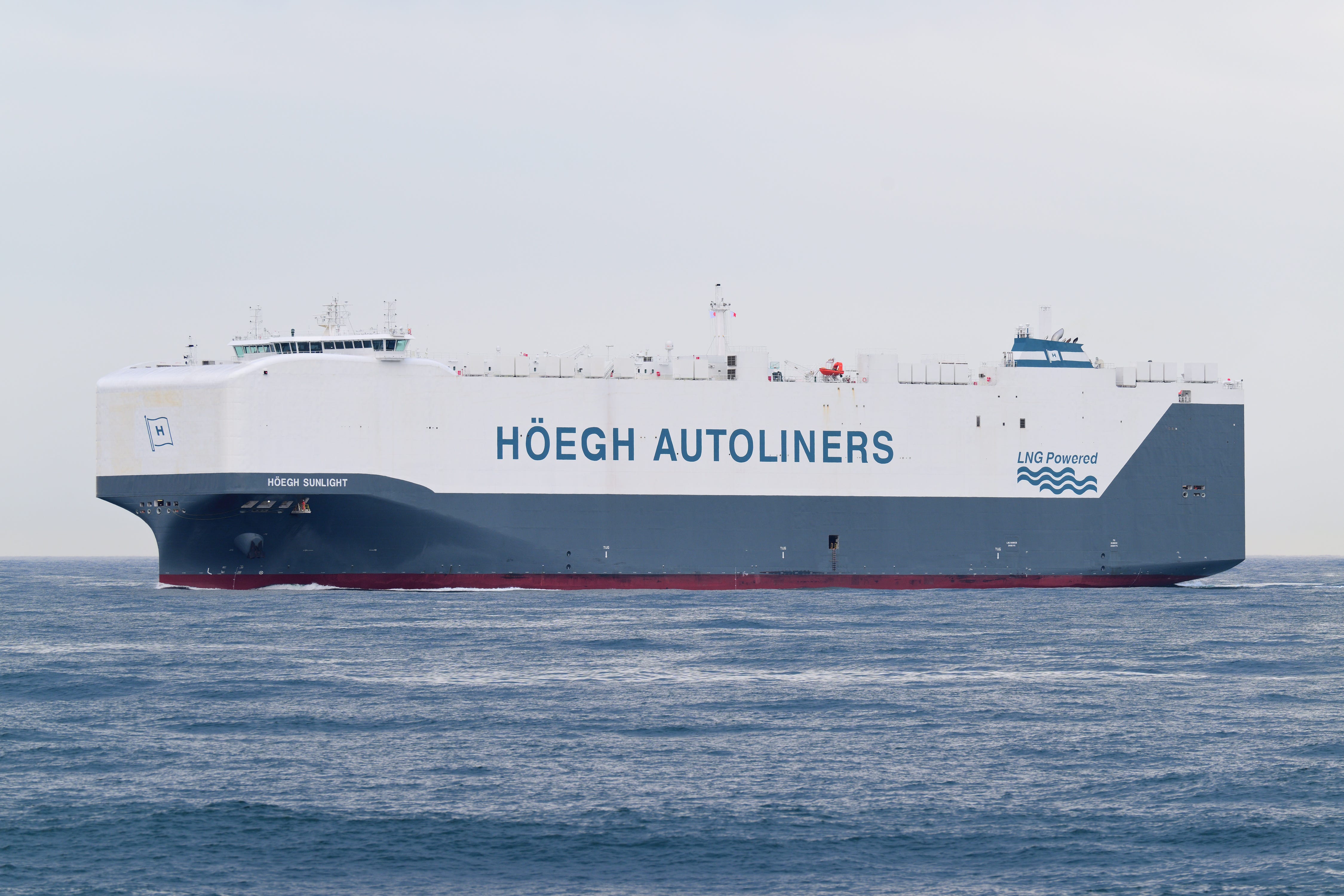
Photo courtesy: IikaJzuchiN / Wikimedia Commons, CC BY 4.0
Andy Abbott, CEO of ACL, told me that any port fees would affect its growing US export business, and its customers worry ACL would move its ships out of U.S. trade.
“ACL’s unique ships were mistakenly classified by USTR as vehicle carriers even though only 1% of its cargo is automobiles,” explained Abbott. “Our largest US container and heavy machinery customers were panicking that we would redeploy our ships out of the US trade to the booming China trade. This development allows us to continue serving the US market with the fastest transit times from the US East Coast to Europe.”
From a U.S. shipper standpoint, if this fee took effect, U.S. exporters of cars, tractors, and heavy machinery would face higher costs passed on to them.